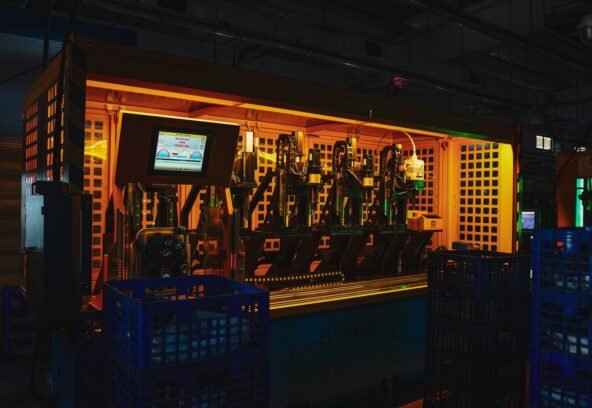

In the quest for operational excellence, many organizations turn to automation to streamline their processes and reduce mundane, repetitive tasks. The blend of technical consulting and automation design offers a strategic advantage by ensuring that automated systems are customized for precise operational needs. By leveraging expertise in system architecture and process analysis, organizations can build automation systems that enhance efficiency and productivity.
Understanding the Role of Technical Consulting
Technical consulting functions as the strategic backbone in the development of automation systems. It involves a deep look at the operational processes of an organization, identifying areas where automation can be effectively implemented. This strategic approach helps in avoiding the pitfalls of generic solutions that may not align perfectly with specific business workflows. By providing insights into the latest technology trends and aligning them with company goals, consulting enables a more comprehensive system design.
Designing Automation with Precision
The design phase of an automation system involves meticulous planning and execution. Technical consultants play a vital role in crafting the system’s architecture by factoring in scalability, security, and integration with existing systems. This structured approach ensures that the automation not only meets the current needs but also adapts to future business changes. The design must encompass user-friendly interfaces and efficient data management, reducing the need for extensive retraining of staff and leading to smooth adoption.
Selecting the Right Tools and Technologies
Choosing the appropriate technology stack is crucial for the success of an automation project. Consultants bring to the table an unbiased perspective on the array of tools available and help in selecting those that match the technical and financial capabilities of the organization. This selection process considers the performance, security, and compatibility of new tools with existing infrastructure. Strategic system design plays a pivotal role in building enduring architecture, reinforcing the importance of a well-thought-out approach to technology selection.
Ensuring smooth Integration
Integration with pre-existing systems is often a nuanced challenge that requires careful consideration. The goal is to enable distinct systems within an organization to communicate without any glitches. Here, technical consulting focuses on building custom APIs or utilizing middleware solutions to bridge different systems smoothly. Through effective integration, valuable time is saved, and data consistency across platforms is maintained, offering a more cohesive operational environment.
Monitoring and Continuous Improvement
Once the automation system is deployed, the work isn’t actually over , in fact, it’s just beginning. Continuous monitoring becomes essential to assess the system’s performance and identify areas for improvement. Technical consulting provides the framework for setting up effective monitoring strategies. Data analytics tools can assess efficiency gains and potential bottlenecks, allowing stakeholders to make informed decisions on tweaking the automations to better serve evolving business needs.
Aligning Automation with Business Objectives
At the heart of any successful automation initiative is alignment with overarching business objectives. Technical consulting ensures that the design and implementation of automation systems are in lock-step with organizational goals. This means understanding the broader implications of automation on company culture, employee roles, and customer satisfaction. By aligning technology strategies with business plans, organizations can ensure sustainable automation systems that deliver both immediate operational benefits and long-term growth.
Through strategic consulting, organizations have the opportunity to not only implement automation effectively but also to ensure it’s done in a way that scales with the business and integrates smoothly into existing operations. This approach minimizes disruptions and maximizes the value derived from automated systems. Consulting, therefore, becomes not just a precursor to successful automation but a strategic partner throughout the process.